Best beginner aquarium kit: what should it include?
To start out, a complete kit is tempting: all-in-one, ready to go, no compatibility headaches. It’s often a good choice — provided you know what a good kit should include and what you almost always need to add. Here’s the guide.
The essentials — how to choose. A good beginner kit includes tank + lid/LED light + a matched filter, ideally a heater. Aim for 60 to 100 litres (more stable than a nano). Check what’s missing: many kits have no heater, no water conditioner and no test kit — to budget on top. The kit gives the structure; these extras make the tank safe and operational.
What a good kit should include
| Item | Included in a good kit? |
|---|---|
| Tank (glass) | ✅ Always |
| Lid + LED light | ✅ Most of the time |
| Filter matched to volume | ✅ Yes (check the flow rate) |
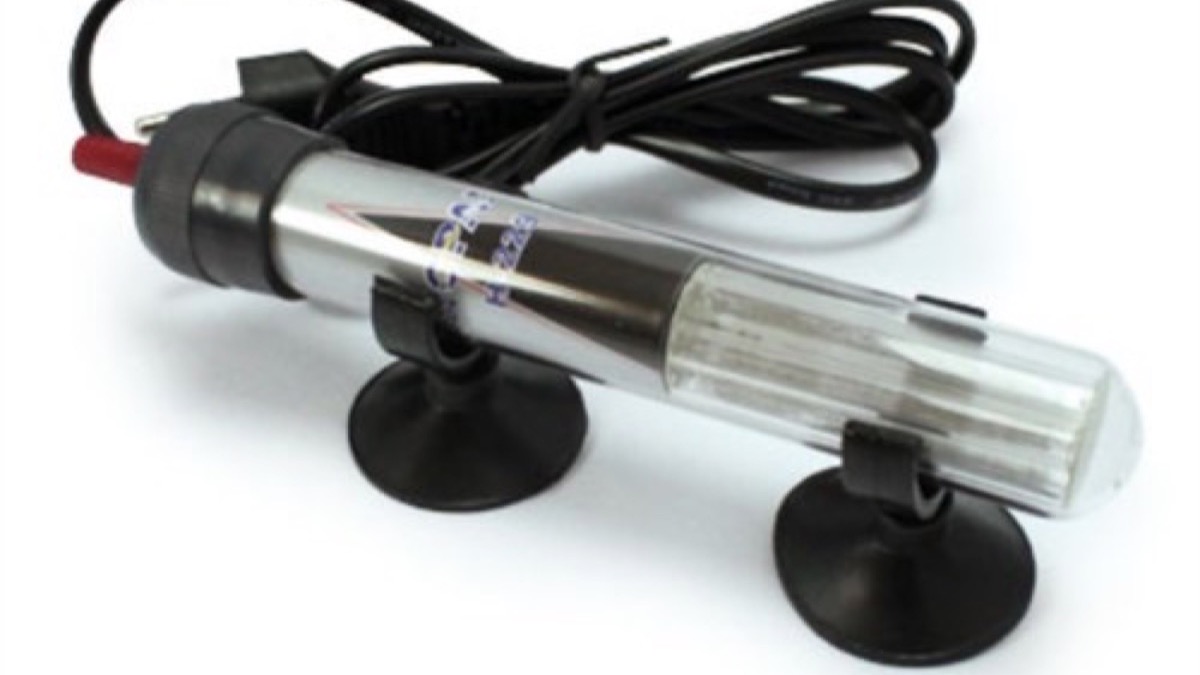
| Heater | ⚠️ Not always |
| Water conditioner | ❌ Rarely |
| Water test kit | ❌ Almost never |
| Substrate / decor / plants | ❌ Separate |
The advantage of a kit: the components are matched and compatible, often for less than buying separately. The downside: you have to top it up to get a genuinely functional tank.
Before buying a kit, read the exact list of what it contains. The classic trap: a lovely "complete" kit with no heater, which you only discover once home with cold tropical fish. Check for the heater first.
Size: think big
The temptation of a small “just to try” kit is a false good idea. A 60 to 100 litres is far more stable and forgives mistakes; a nano under 30 L demands constant rigour. For a first tank, bigger = easier.
What to add
For the base, start with a well-equipped 60–100 L kit:
Complete 60–100 L aquarium kit
Our pick- Tank, LED light and filter matched and compatible
- Stable volume that forgives beginner mistakes
- Often cheaper than buying separately
Amazon affiliate link. Price and availability may change at any time.
Then add the extras a kit almost never includes, starting with the water conditioner:
Dechlorinating water conditioner
- Neutralises the chlorine in tap water
- Essential from start-up
- Rarely supplied in kits
Amazon affiliate link. Price and availability may change at any time.
And the liquid drop test kit, to track cycling safely:
Liquid drop test kit
- Measures the cycle trio (ammonia, nitrite, nitrate) + pH
- Reliable for important decisions
- Almost never included in a kit
Amazon affiliate link. Price and availability may change at any time.
Before you buy, check these points:
- Kit of 60 to 100 L (not a nano to start out)
- Tank + LED light + matched filter included
- I check whether the heater is included (otherwise I add it)
- I add water conditioner + test kit
- I plan for substrate, decor and plants separately
- I plan for a cabinet that supports the weight of the full tank
A 60–100 L kit is an excellent starting point, as long as you add the heater + conditioner + test kit trio. With that, you have a safe, complete tank for far less than a bespoke build. It's the route I recommend to most beginners.
Conclusion
The “best” beginner kit is a 60 to 100 L combining a compatible tank, light and filter, ideally with a heater. Read the contents list carefully and top up the essentials: heater (if absent), water conditioner, test kit. Equipped like that, you have everything to start out smoothly, with no nasty surprises.
To size it right, see “What tank size is best for beginners?”, and for the water, “Tap water in your aquarium: what to know”.
Frequently asked questions
What should a good beginner aquarium kit include?
A good complete kit includes the tank, a lid with LED lighting, a filter matched to the volume and ideally a heater. Many kits don't include the heater, water conditioner or test kit: you often need to add these.
What size aquarium kit should I start with?
Aim for a 60 to 100-litre kit rather than a nano. A larger volume is more stable and forgives beginner mistakes. The very small kits (under 30 L), often sold as 'easy', are actually trickier to manage.
Is an aquarium kit really good value?
Yes, generally: buying a matched tank, filter and light costs less and avoids compatibility mistakes. Just check what's missing (often the heater, conditioner, test kit) so you can budget the extras.
What do I need to add to a beginner aquarium kit?
Often: a heater (if absent), a dechlorinating water conditioner, a liquid drop test kit, a thermometer, and the substrate/decor. The kit provides the structure; these extras make the tank genuinely operational and safe.